Inside the Aged Intelligence Society: The Midlife Women’s Collective Turning AI From a Scary Buzzword Into a Real-World Superpower
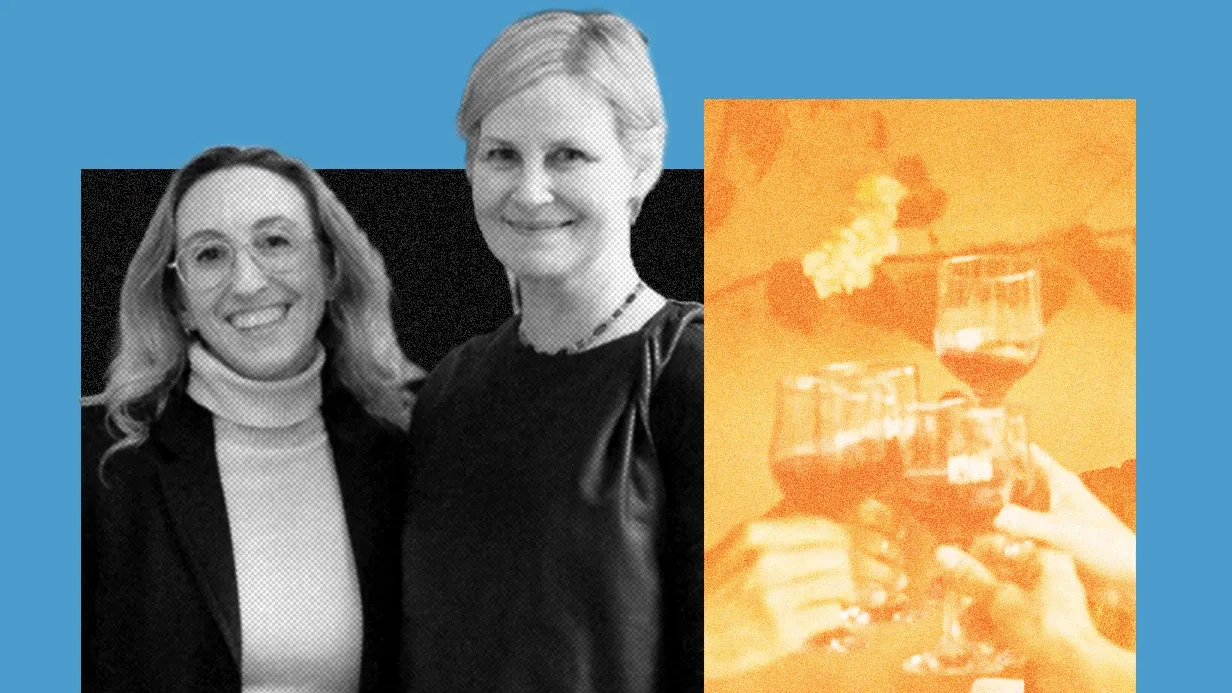
I’ll be fully transparent: I have a total unapologetic girl crush on Shoshana Berger. The former WIRED editor went on to build editorial teams for powerhouse brands including Notion and Ideo, and balances sharp, radical smarts with effortless, unforced chic. Most recently, she teamed up with fellow ex-magazine editor Nina Willdorf to co-found the Aged Intelligence Society: the viral invite-only events startup that hosts private dinner parties where midlife women use cutting-edge AI tools to solve their most pressing, unglamorous everyday problems.
Berger and Willdorf have zero patience for the overhyped, doomsday-obsessed discourse that clogs most AI conversation. Their take is refreshingly grounded, per Willdorf: “This is the most defining technology of our generation, and it’s already here. Choosing to sit it out is only doing yourself a massive disservice.”
That unflashy, practical thesis has struck a massive nerve. Their events have been oversubscribed from the very first night: their second dinner got featured in The New York Times, and hundreds of women flooded their inboxes begging for spots at future gatherings. Their companion Substack, where they share free AI workflows and tips, blew past 1,000 subscribers in no time — including a New Yorker staff writer and a small-town local mayor. Women who live outside the Bay Area are now launching their own unofficial Aged Intelligence local meetup chapters across the U.S.
The pair walks the walk when it comes to their own advice, too, even as they juggle college-bound kids, aging parents, and their fast-growing, high-demand business. “The cognitive and emotional midlife workload is so heavy and unrelenting we basically need a full National Guard deployment to get through it all,” Berger jokes. “AI is just the very helpful interim solution while we wait for that.”
The following conversation has been edited and condensed for clarity.
Zoë Schiffer: How did the whole Aged Intelligence Society idea first come about?
Shoshana Berger: Nina and I are both recovered magazine editors, you know? We ran into each other at a mutual friend’s birthday party, and the two of us spent the whole night geeking out over Claude — our new, favorite “French lover” as we joked at the time. Every other woman around us had that glazed, checked-out look, though; they had no idea what we were talking about, and weren’t part of the conversation at all. At one point I turned to her and said, “Nina, this might actually be a business. All of these women deserve to be using these tools, too.”
Nina Willdorf: We were so nervous before we hosted that very first event, though…
Shoshana Berger: We were popping beta blockers and downing ashwagandha to calm down, basically. We’d invited all these incredibly sharp, wildly accomplished women — and we’re not professional AI experts, for god’s sake! But we’d done what we’ve always done as reporters: we tested and poked at these tools, mess around with them in ways most women we knew weren’t bothering to. There are a million tiny, easy reasons for women to opt out of this conversation, but we kept saying no: you can’t check out of this space if you want to stay relevant in the workforce. You have to be AI-literate.
Nina Willdorf: We’re not the kind of people who wave pom-poms and cheer for every single AI development, for the record. There’s plenty about this technology that scares us, especially as creatives. But we’re fully committed to the idea that showing up, learning, and participating is non-negotiable.
Zoë Schiffer: How do you set expectations for attendees before they walk through the door?
Shoshana Berger: Every dinner has explicit ground rules. The first is what we call the “ideological parking lot”: if you show up ready to rant about how AI is going to ruin every part of human life, this isn’t the space for that. We get it, we’re terrified of a lot of those risks too, and we know AI can be deeply menacing, especially for people who make a living creating art. But that’s not what we’re here to do. We’re here to build literacy, test tools, and cut down on the stupid administrative work that takes up all our time.
Nina Willdorf: And eat really good cheese and drink nice wine, obviously.
Shoshana Berger: We make every single guest bring two things: a laptop, and what we call a “midlife quandary” — that annoying, unaddressed problem they’ve been putting off forever. We kick off with 15 minutes of what we call “library time”: everyone pulls out their laptop and dives into solving their own problem. Nina and I walk around the room acting as sherpas, walking people through the basics: “Hey, try this tool instead of that one, this LLM will get you a way better result. Your prompt is too vague, you’re not going to get the answer you want — let’s tweak it and iterate together.”
Nina Willdorf: Sometimes guests push back and say, “Wait, I don’t want AI to write my stuff for me!” And we’re quick to agree, we don’t want that either! Then we show them 10 other, more useful use cases they probably never thought of.
Zoë Schiffer: You’ve had a permanent waitlist for dinners since launch. How do you pick who gets a spot?
Nina Willdorf: We quickly figured out the perfect dinner size is 8 to 12 people. Any bigger than that, and it gets way too chaotic. Our best events always have this perfect, magical mix: you’ll have a nonprofit worker sitting next to a designer, sitting next to a stay-at-home parent, sitting next to a CEO, sitting next to a philanthropy lead.
Zoë Schiffer: Most people I talk to can’t even immediately point to a problem in their life that software could solve, let alone AI. How do you help people spot those small, fixable gaps?
Shoshana Berger: 90% of what we do is show people the hyper-pragmatic ways AI cuts through midlife overload. People often call our demographic the “sandwich generation” — we hate that term, it makes us sound like the sad, tasteless tomato squished between two slabs of bread — but the core of it is true: we’re all juggling aging parents who need more care, and kids who may or may not be successfully launching into adulthood.
One woman came to one of our dinners whose mom had just been diagnosed with Alzheimer’s, and she had no clue if her mom qualified for long-term care through her existing insurance plan. The insurance company sent her a 300-page benefits packet, right? No one has time to read that whole thing, that’s exactly how insurance companies get out of paying out claims. She fed the whole document to AI, and it immediately told her: “Yes, your mom is 100% eligible for full care. Do you want me to draft an appeal letter to the insurance company to make that case for you?”
I had a similar moment early on when I started working as a consultant. I did the very classic, very female thing of drastically lowballing my own rates. I fed my full project proposal into Claude and asked, “What’s wrong with this? Make it unassailable.” It came back and told me point blank: “You are charging far too little for this scope of work.” I asked what I should be charging, and it said “Start by doubling your rate.” I took a deep breath, did it, and my client didn’t even hesitate.
Zoë Schiffer: A lot of people avoid AI entirely because they see all the generic, garbage output and get put off entirely. But you’re teaching people to use it for high-value, economically meaningful tasks.
Shoshana Berger: That economic value piece is the whole point, right? For decades, women were trapped doing uncompensated domestic labor at home, written off as having no measurable economic value in the marketplace. That’s the core of the Aged Intelligence Society mission: if anyone deserves to get hours of their life back, it’s women. In a lot of ways, AI is the modern equivalent of the washing machine — a tool that automates all the drudgery that used to eat up whole days.
We specifically narrowed our community to people 40 and older because the product-market fit for that demographic of women is perfect. First, we’ve spent decades refining our taste, and we know how to ask sharp, specific questions. We all have finely tuned bullshit meters, too — we don’t take the first generic answer AI spits out, we keep prodding, iterating, and digging until we get what we need. In a lot of ways, this tool was built for people who have decades of accrued experience and lived through enough failures and messy real-world problems to know what a good question even is. It wasn’t made for people who haven’t had to do that work yet.
This piece is an edition of the Model Behavior newsletter. You can browse past issues here.
Inside the Aged Intelligence Society: The Midlife Women’s Collective Turning AI From a Scary Buzzword Into a Real-World Superpower
Inside the Aged Intelligence Society: The Midlife Women’s Collective Turning AI From a Scary Buzzword Into a Real-World Superpower