Sherry Turkle’s Urgent Call: Reclaiming Human Connection From the Tide of Soulless AI
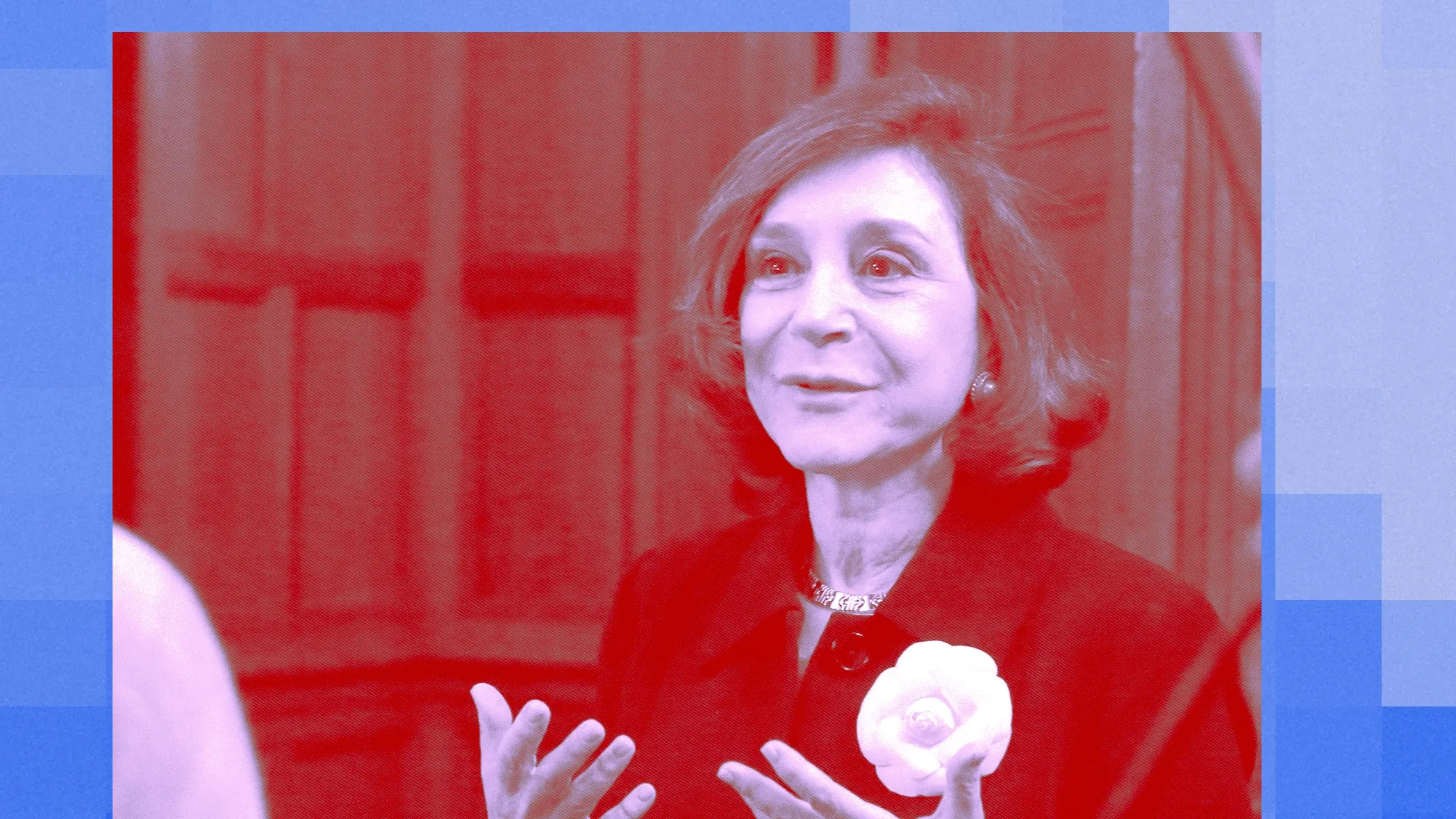
For four decades, Sherry Turkle has built a well-earned reputation as a meticulous, appropriately critical social scientist, pairing rigorous academic methodology with deliberate, objective distance in all her research exploring how human interaction with computing systems shapes our lives. Her latest work, Artificial Intimacy: Who We Become When We Talk to Machines, shatters that established careful mold entirely. It is a fierce, unapologetic polemic sounding a full red alert: we have already crossed into a cultural emergency threshold, where our core human identity and capacity for connection are at direct risk from overreliance on unfeeling, soulless algorithmic systems that masquerade as our tutors, mentors, friends, coworkers, and even romantic partners.
Turkle explicitly sets out to match the legacy of landmark public wake-up call works that forced global reckoning with looming unaddressed crises — Silent Spring, The Jungle, Unsafe at Any Speed. In practice, the sharp, diminutive MIT professor is taking on a multi-trillion-dollar global tech industry, backed by national governments racing to embed AI tools into every crevice of our personal and professional daily lives.
This conversation first ran in Steven Levy and Lauren Goode’s Backchannel newsletter:
STEVEN LEVY: Your past books reported peer-reviewed social science research findings, often arriving at uncomfortable, troubling conclusions about how people — especially children — engage with computing systems. But this new book reads like you’re shattering the safety glass to pull a public fire alarm. What prompted this dramatic shift in tone?
SHERRY TURKLE: I went into this project the same way I approach all my work: fully curious, neutral, open to what I would find. But after roughly a dozen interviews conducted at the height of the pandemic, that neutral, curious frame of mind became completely impossible to hold. What I was seeing was appalling! Here were people going through a global public health disaster, with their own family members sick and suffering and reaching out for support, and they kept telling me the person (or thing) they wanted to spend most of their time with was their chatbot. When I was later able to conduct in-person interviews post-pandemic, what I found left me deeply unsettled. Masses of people are checking out of real world political and community engagement entirely, because they just want to retreat and live inside chatbot-land. The core arc of the book ended up being a simple, unignorable message: reality needs you. There could not possibly be a worse time for all of us to give up on engaging with the real, human world.
LEVY: You note that social media already primed the general public to accept this shift. Social media softened everyone up by training us to reach for a screen the second we feel sad or unmoored, then it radicalized us and trapped all of us in our own isolated ideological echo chambers. Now we have this new wave of AI technology that has no actual lived experience to justify speaking in the first person. Do you think we should outright ban chatbots from using first-person speech patterns entirely?
TURKLE: Yes! I’ve spent my entire career earning credibility as someone who isn’t a rabid anti-tech Luddite, and I have no interest in throwing all that away by claiming every chatbot is universally toxic 100% of the time. But this specific first-person framing is incredibly dangerous, a classic slippery slope. It’s already being exploited to argue that we don’t need to fund or pay for real human psychotherapy, because a chatbot can replace it. In every serious interview I run, people repeat this pervasive myth that chatbots are just low-stakes practice for hard conversations with your boss, your partner, or your teacher. But when you’re bathing in the warm, unconditionally accepting soup of total nonjudgment that LLMs offer, talking to the chatbot stops being practice — it becomes the end goal that people prefer over real human interaction.
LEVY: You also lay out sharp criticism of AI overreliance in the workplace, and specifically express frustration with the ubiquitous industry buzzphrase “human in the loop.” What’s the harm with that framing?
TURKLE: When companies use that term, what it actually means is that the human has already been removed from the core productive process entirely. The person left “in the loop” is only there to do menial cleanup work, catch obvious hallucinations, or flag gaps the AI missed. This model never works, because employers only assign a tiny handful of humans to that oversight role — those people have zero authority to change or redirect the process. They exist for two reasons: to give companies a legal shield if something goes wrong and they get sued, and to sell the public a false sense that critical work hasn’t been fully delegated to unaccountable AI. It already has been delegated to AI.
LEVY: A lot of people argue that powerful modern chatbots are a new, distinct form of interaction that isn’t necessarily worse than human conversation, just different. Many users say the consistent positive, nonjudgmental feedback they get from bots leaves them feeling encouraged and empowered. Isn’t there real value there?
TURKLE: No AI will ever replace a real human conversation. These systems are not afraid of death, they have no lived experience of illness, they do not understand pain, they do not love their children, and they could not care less if you harm yourself or burn your dinner. If we raise our children bonding with these systems, or pour all our most vulnerable, intimate conversations into them, we will lose our fundamental capacity to connect with other actual people.
LEVY: Still, so many people have no one else to talk to at all. They report that chatting with chatbots eases their crippling loneliness. Isn’t that a net good for those people?
TURKLE: If we have a widespread crisis of loneliness, that’s a failure of us abandoning each other as a society, not a gap AI should fill. Give me the budget for a single AI data center, and I will turn that entire sum into in-person, human support resources for isolated elderly people, and we will eliminate far more loneliness than any chatbot ever could.
LEVY: Studies show most people are already deeply skeptical of unregulated AI, and there has been significant public pushback against the industry. Even so, hundreds of millions of people use these tools every day, including many of the same people who protest new AI data center construction. Is the goal of your book to expand that existing pushback to cover these more intimate, underdiscussed harms?
TURKLE: Exactly.
LEVY: Do you truly believe our growing cultural intimacy with AI can be slowed or reversed?
TURKLE: I am far more hopeful now than I was six months ago. All the recent public conversation around catastrophic AI extinction risks, viral missteps like Hugging Face’s embarrassing product errors, and the bizarre recent incident of an AI bot accidentally accessing Australian civil service systems, all add up to a public that is finally ready to look at both the well-documented professional harms and the more hidden, intimate personal costs of unregulated AI.
This feature is drawn from Steven Levy and Lauren Goode’s Backchannel newsletter. You can browse the full archive of past issues of the publication here.
Sherry Turkle’s Urgent Call: Reclaiming Human Connection From the Tide of Soulless AI
Sherry Turkle’s Urgent Call: Reclaiming Human Connection From the Tide of Soulless AI