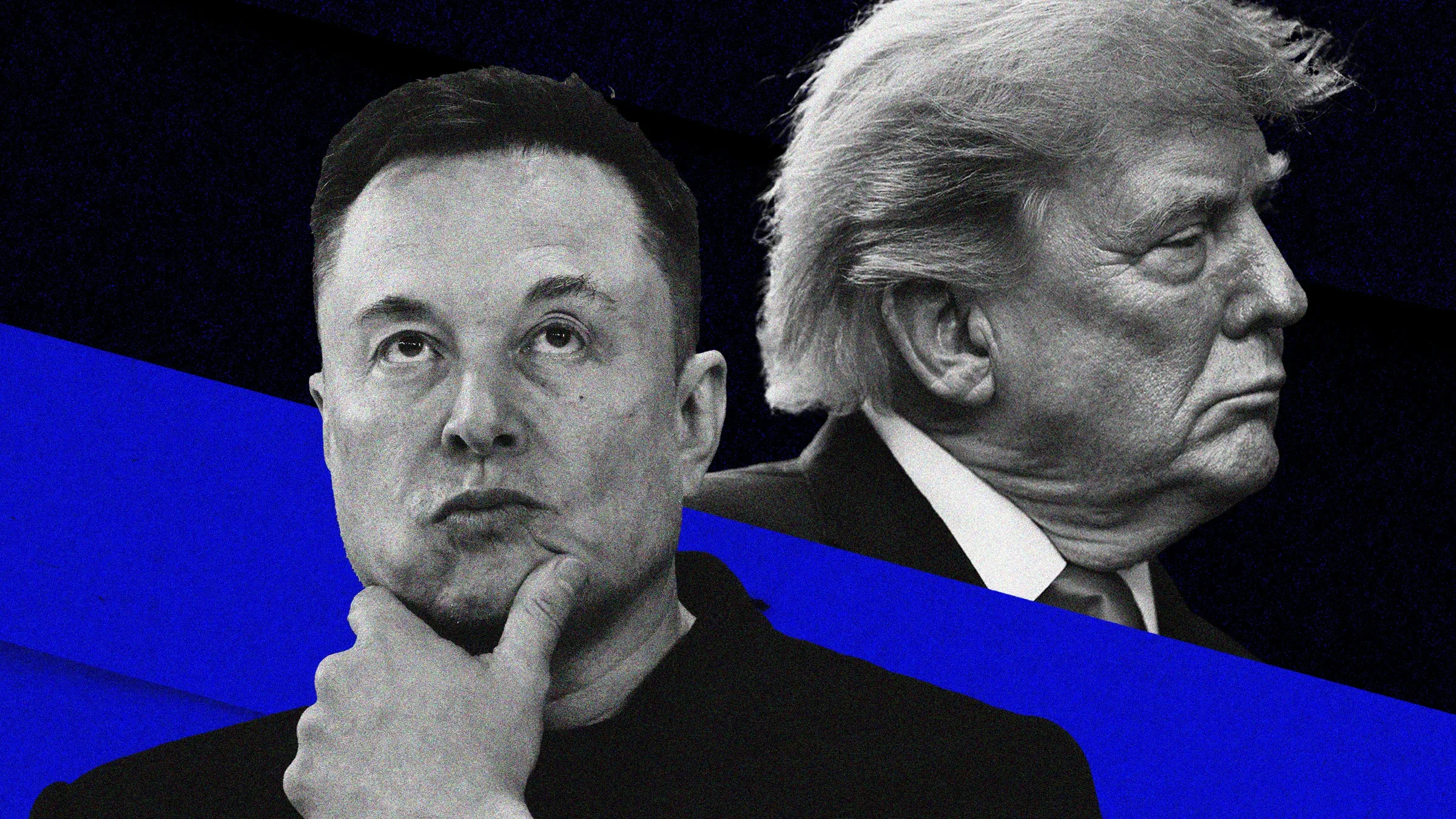
U.S. Government Intervenes to Back Elon Musk and Platform X Against EU’s $137M DSA Fine, Escalating Transatlantic Tech Regulatory Tensions
The United States government is stepping in to shield Elon Musk and his social media property X from a $137 million penalty issued by the European Union, marking a sharp escalation in Washington’s public pushback against the bloc’s sweeping technology regulatory framework.
The U.S. Department of Justice confirmed it has submitted a formal filing, coordinated with the U.S. Department of State, to support Musk’s ongoing legal bid to have the EU General Court invalidate the entire penalty case. Based in Luxembourg, the regional court will first rule on whether the U.S. qualifies as an eligible third party to intervene in the cross-border dispute. Federal officials have framed their participation as a necessary step to defend the interests of U.S.-headquartered corporations.
This specific fine carries unprecedented weight as the European Commission’s first ever enforcement action under the landmark Digital Services Act (DSA): the bloc’s rulebook that mandates large online platforms take far more aggressive action to remove and mitigate illegal and harmful content on their services. The U.S. government’s filing notes that nearly all of the platforms subject to the DSA’s strictest requirements — including Meta’s Facebook and Instagram, Google’s YouTube, and Microsoft’s LinkedIn — are headquartered on U.S. soil, and make outsized contributions to the domestic American economy.
“We will not stand by and allow the European Commission to pursue regulatory overreach intended to exert control over the American engines that drive global innovation and domestic economic growth,” stated Brett A. Shumate, Assistant Attorney General for the Justice Department’s Civil Division. The filing goes on to warn that the outcome of this case carries tangible, long-term implications for broader U.S.-EU bilateral relations.
The DSA has already emerged as a major flashpoint in transatlantic diplomatic relations, with U.S. President Donald Trump previously dismissing the bloc’s penalty structure as a form of “overseas extortion.” Last year, the president threatened to impose retaliatory tariffs on any nation that rolls out digital sector regulations he argued were explicitly “designed to harm or discriminate against American technology firms.” U.S. Vice President JD Vance has likewise publicly slammed the DSA’s content moderation mandates as a form of “authoritarian censorship.”
The European Commission first levied the €120 million (roughly $137 million) fine against X last December, following a two-year formal investigation that concluded the platform had violated core DSA transparency obligations. EU regulators ruled that X’s practice of labeling all paying subscribers with blue checkmarks as “verified accounts” constituted deceptive user practices, since the badge no longer signals actual identity verification. Officials also flagged that X’s advertising repository was largely inaccessible and incomplete, and that the platform had refused to provide researchers with adequate access to public platform data, stunting independent research into potential harms tied to X’s operations. In July of this year, the European Commission signed off on X’s proposed remediation plan to fix the data access gaps, giving the social network a six-month window to fully roll out the changes.
Both Elon Musk and X formally filed joint appeals against the EU’s penalty ruling back in February. In their court filings, the pair argued that the EU’s two-year investigation was “incomplete and superficial,” and that regulators’ interpretation of DSA compliance requirements was “tortured” and legally unsound. They further alleged that they were denied basic due process “rights of defence” during the probe, pointing to what they described as clear prosecutorial bias from EU officials.
Musk has repeatedly decried the steep financial and administrative costs of the DSA’s elevated transparency mandates, amid a global push from national governments to better map and curb the risk of harm posed by large social media platforms. As recently as July, Musk argued that Australia’s new data-gathering powers tied to its national ban on social media access for users under 16 were “invasive” and ran afoul of international law. At the time, Julia Hörnle, a professor of internet law at Queen Mary University of London, told WIRED that Australian regulators were fully within their legal rights to demand relevant operational disclosures from tech companies for activities that take place within Australian national borders.
U.S. Government Intervenes to Back Elon Musk and Platform X Against EU’s $137M DSA Fine, Escalating Transatlantic Tech Regulatory Tensions
U.S. Government Intervenes to Back Elon Musk and Platform X Against EU’s $137M DSA Fine, Escalating Transatlantic Tech Regulatory Tensions